
Blog
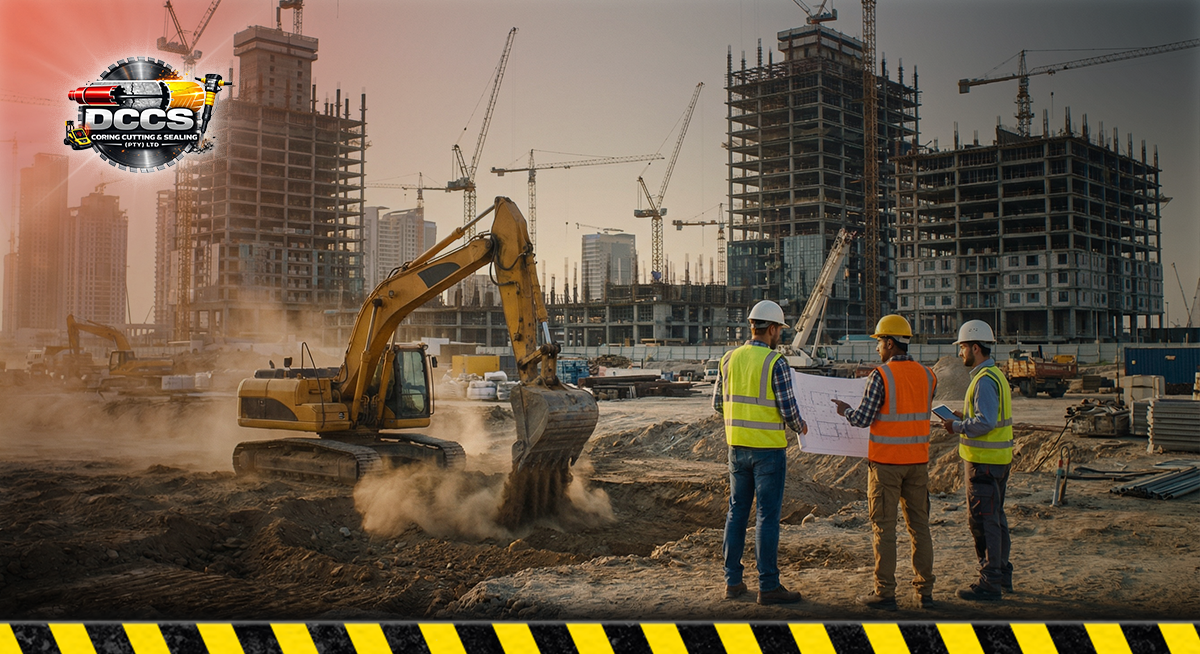
Planning Demolition Work for 2027 | DCCS
Demolition project planning should begin before mobilisation by defining the removal scope, identifying retained structures and services, reviewing drawings, assessing site access, selecting the correct demolition method, planning rubble removal and coordinating with follow-on trades. Early contractor involvement can help expose constraints before they affect cost, safety or programme.

Last-Minute Demolition Work Before Year-End | DCCS
Last-minute demolition work before year-end requires a clear scope, confirmed site access, the right demolition method, safety approvals, service isolations, equipment and crew availability, rubble-removal planning and realistic programme expectations. Contacting the demolition contractor early gives the project team more time to assess feasibility before shutdown or handover deadlines.

What Affects the Cost of a Demolition Project? | DCCS
Demolition project cost depends on the scope, demolition method, concrete thickness, reinforcement, site access, structural complexity, equipment, labour, safety requirements, rubble removal and programme constraints. Accurate pricing requires clear site information, drawings, access details and an understanding of what must be removed, protected and prepared for the next phase.
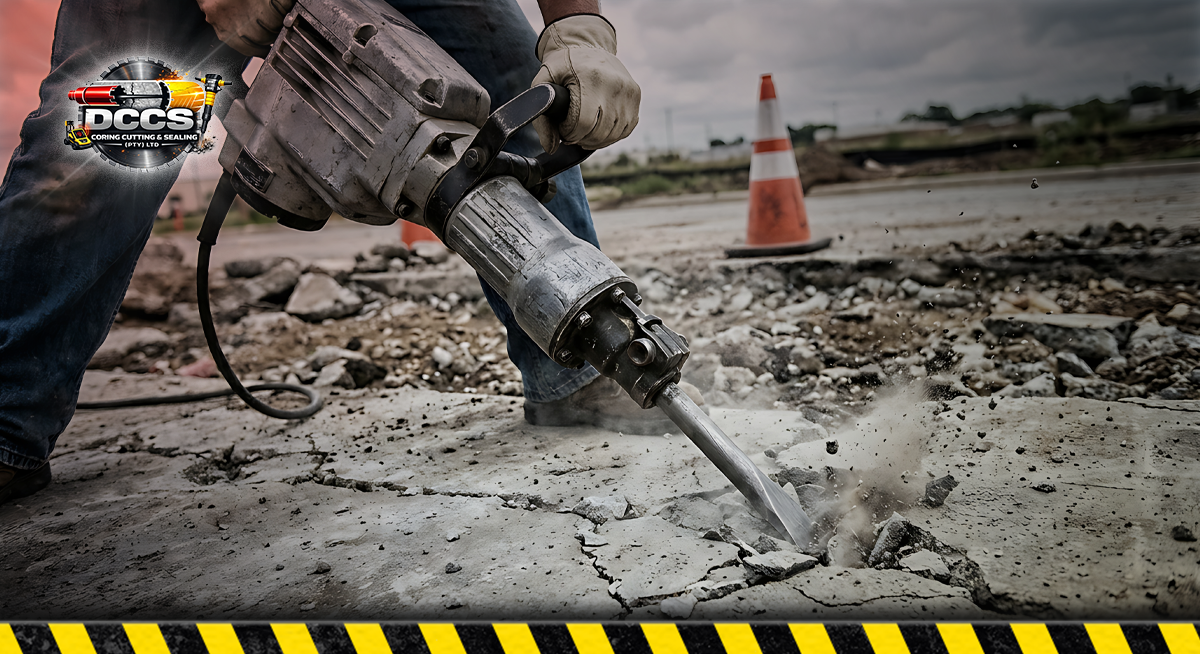
How to Avoid Delays in Demolition Projects | DCCS
To avoid demolition delays, define the scope clearly, select the right demolition method early, identify structural and service risks, confirm site access, plan rubble removal, coordinate with other trades and protect time for approvals and site setup. The earlier these items are resolved, the easier it is to keep follow-on work on programme.