Concrete Cutting vs Core Drilling: Which Method is Right?
When a construction site is active, every decision affects time, cost, safety and workflow. Whether you are modifying an existing structure, creating service penetrations, opening a slab, or preparing access for mechanical and electrical services, choosing the correct concrete method is critical.
Two of the most commonly required services are concrete cutting and core drilling. While both are used to modify concrete, they serve different purposes. The right choice depends on the type of opening required, the structure being worked on, the depth of the concrete, the site environment and the project deadline.
For engineers, QS professionals, procurement teams, project planners and contractors, understanding concrete cutting vs core drilling helps prevent delays, reduce rework and ensure that the correct method is specified from the start.
At DCCS Coring, the focus is on precision, safe execution and responsive service for active construction environments. Whether the project requires concrete cutting, core drilling, concrete coring, slab sawing, or a combination of methods, DCCS Coring helps project teams select the right solution for the job.
What Is Concrete Cutting?
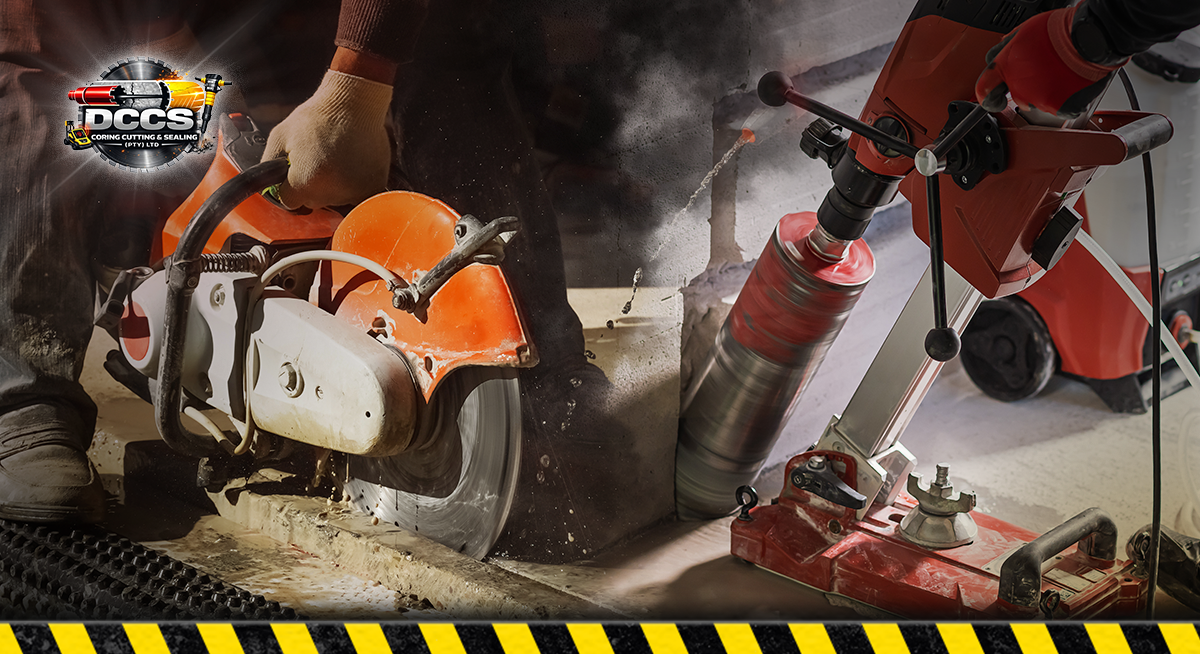
Concrete cutting is the process of cutting through concrete surfaces, structures or sections using specialist equipment. It is typically used when a project requires straight, controlled, or shaped openings in concrete.
This may include cutting through floors, slabs, walls, beams, foundations, bridges, stairwells or structural openings. The aim is to remove or modify concrete accurately without causing unnecessary damage to the surrounding structure.
Concrete cutting is commonly used for:
-
Creating door, window, lift shaft and stairwell openings
-
Cutting expansion joints
-
Removing sections of damaged or unwanted concrete
-
Cutting trenches for services
-
Modifying reinforced concrete structures
-
Preparing slabs for alterations or upgrades
-
Supporting demolition, refurbishment and fit-out work
On active construction sites, precision matters. A poorly planned cut can affect structural integrity, delay follow-on trades, or create avoidable safety risks. This is why experienced contractors rely on a method-driven provider like DCCS Coring, where each cut is approached with accuracy, equipment suitability and site constraints in mind.
What Is Core Drilling?
Core drilling, also known as concrete core drilling or concrete coring, is the process of drilling clean, circular holes through concrete, brick, masonry or reinforced concrete. Instead of creating long cuts or large openings, core drilling creates precise round penetrations.
This method is often used when services need to pass through a slab, wall or structural element. It is especially useful for mechanical, electrical, plumbing and HVAC installations.
Core drilling is commonly used for:
-
Pipe penetrations
-
Electrical conduits
-
Plumbing access
-
Drainage outlets
-
HVAC openings
-
Anchor holes
-
Cable routing
-
Testing or sampling concrete
-
Rigging and fixing points
-
Service access through reinforced concrete
The key advantage of core drilling is accuracy. It creates a neat, circular opening with minimal disruption to the surrounding concrete. For contractors working on live or fast-moving sites, this can help keep service installations on track without unnecessary breaking, chipping or structural disturbance.
DCCS Coring supports these requirements through precise concrete coring solutions designed for commercial, civils, infrastructure and construction environments.
Concrete Cutting vs Core Drilling: What Is the Main Difference?
The simplest way to understand concrete cutting vs core drilling is to look at the shape and purpose of the opening.
Concrete cutting is usually used when the project requires a line, section, trench, joint, or larger structural opening. Core drilling is used when the project requires a circular hole or penetration.
For example, if a contractor needs to cut a slab to create a trench, remove a section of concrete, or open a wall for access, concrete cutting is likely the better method. If the project needs a clean hole for a pipe, duct, cable, anchor, or drainage point, core drilling is usually the correct choice.
Both methods can be used on reinforced concrete, depending on the structure, depth, access and required outcome. The key is choosing the method that delivers the correct result with the least disruption.
This is where DCCS Coring’s practical site experience becomes valuable. Instead of treating every project as a standard job, DCCS Coring assesses what needs to be achieved, what constraints are present and which method will deliver the cleanest, safest and most efficient outcome.
When to Use Concrete Cutting
Knowing when to use concrete cutting depends on the type of modification required. Concrete cutting is usually the preferred option when a project involves changing the shape, size or layout of a concrete structure.
Use Concrete Cutting for Structural Openings
Concrete cutting is ideal when you need to create controlled openings in slabs, walls or structural sections. This may include doorways, windows, stairwells, lift shafts, access points, service trenches or ventilation openings.
For commercial builders and civils contractors, these openings often need to be completed quickly and accurately so that other trades can continue working. DCCS Coring helps reduce delays by delivering precise cutting work that supports the project programme.
Use Concrete Cutting for Slab Sawing
Slab sawing is a form of concrete cutting used on horizontal surfaces such as floors, roads, pavements and concrete slabs. It is often required for trenching, joint cutting, repair preparation, service access and controlled removal.
For active construction sites, slab sawing is useful when teams need neat cuts through floor areas without causing unnecessary disruption to the rest of the slab. It is also commonly used in industrial, commercial and infrastructure settings where clean execution and turnaround time are important.
Use Concrete Cutting for Wall Cutting
Wall cutting is used when vertical concrete elements need to be modified. This may include walls, façade sections, retaining structures or reinforced concrete panels.
This method requires careful planning because wall cuts often affect structural elements, access routes and site safety. A reliable contractor must understand the surrounding environment, cutting depth, support requirements and sequencing of work.
Use Concrete Cutting for Controlled Removal
Concrete cutting can also support controlled removal work. Instead of breaking out large sections of concrete with heavy impact, cutting allows sections to be separated and removed in a planned way.
This can be useful when working near occupied buildings, live operations, existing services or sensitive structures. DCCS Coring’s precision-focused approach helps reduce unnecessary vibration, mess and disruption where possible.
When to Use Core Drilling
Core drilling is best suited to projects that require accurate circular penetrations through concrete. It is often specified by engineers, contractors and project planners when services need to move through a structure cleanly and safely.
Use Core Drilling for Service Penetrations
Core drilling is commonly used for plumbing, electrical, drainage and mechanical services. If a pipe, cable, duct, or conduit needs to pass through a wall or slab, concrete core drilling is usually the correct method.
This is especially important in commercial and infrastructure projects where multiple services need to be coordinated. Accurate drilling reduces the risk of oversized openings, damaged surroundings and extra remedial work.
Use Core Drilling for HVAC Openings
HVAC installations often require clean circular openings through walls or slabs. Core drilling allows contractors to create neat penetrations for ducts, vents and mechanical services without unnecessary breaking.
For project teams working under tight deadlines, this can make installation quicker and cleaner. It also helps protect surrounding finishes and structural elements.
Use Core Drilling for Drainage and Plumbing
Drainage and plumbing installations require accuracy. If holes are not drilled in the correct position or at the correct angle, it can create problems for pipe alignment, falls and installation quality.
DCCS Coring’s concrete coring services help contractors create accurate openings that support correct service placement and reduce the need for rework.
Use Core Drilling for Anchors, Fixings and Rigging
Core drilling can also be used for anchor points, fixings, dowels and specialist rigging requirements. These applications demand precision because hole position and depth can affect the strength and reliability of the fixing.
For engineers and technical teams, this is where method selection and accuracy matter. A rushed or poorly executed hole can create complications later in the project.
Can Concrete Cutting and Core Drilling Be Used Together?
Yes. Many construction projects require both concrete cutting and core drilling.
For example, a commercial refurbishment may require wall cutting for a new opening, slab sawing for service trenches and core drilling for pipe penetrations. A civils project may require slab cutting for access, concrete coring for drainage and additional cutting for controlled removal.
Using both methods can help the project team achieve different outcomes on the same site. The advantage of working with DCCS Coring is that the team can assess the project requirements and recommend the most suitable method or combination of methods.
This is particularly useful for active sites where timelines are tight, access is limited, and multiple trades need to coordinate around the same work area.
Key Factors That Influence the Right Method
Choosing between concrete cutting and core drilling should not be based only on the service name. The correct method depends on the site, the structure and the required result.
The Shape of the Opening
If the project needs a circular hole, core drilling is usually the right choice. If the project needs a straight cut, trench, joint, section removal, or rectangular opening, concrete cutting is usually more suitable.
The Size of the Opening
Core drilling is best for smaller to medium circular penetrations. Concrete cutting is better for larger openings, long cuts and controlled removal of bigger concrete sections.
The Type of Concrete
Reinforced concrete requires careful planning. Steel reinforcement, embedded services and concrete thickness can affect the method, equipment and time required.
DCCS Coring’s value lies in matching equipment and method to the actual site condition, not forcing one approach onto every project.
Access to the Work Area
Limited access, working height, tight corners, operating hours and nearby trades can all influence whether cutting or drilling is more practical.
On live construction sites, access constraints are common. A responsive contractor must be able to plan around the realities of the site and still deliver safely.
Noise, Dust and Slurry Control
Concrete cutting and core drilling can create dust, slurry and noise depending on the method used. Site managers and project planners must consider how this affects surrounding trades, tenants, equipment and programme requirements.
A professional team will plan containment, clean-up and sequencing as part of the job, not as an afterthought.
Project Deadline
If a contractor is under pressure to keep work moving, method selection becomes even more important. The wrong method can slow down service installation, cause rework, or create delays for follow-on trades.
DCCS Coring’s USP is built around helping active projects move with precision, reliability and fast response. That makes method advice part of the service, not just the execution.
Why Precision Matters on Active Construction Sites
For Tier 1–3 construction companies, civils contractors, commercial builders, engineers and QS teams, concrete work is rarely isolated. It sits within a broader programme.
A delay in cutting or drilling can affect mechanical installation, electrical routing, structural alterations, fit-out work, finishing trades and handover dates.
Precision matters because it helps reduce:
-
Rework
-
Overcutting
-
Structural risk
-
Service clashes
-
Site delays
-
Mess and disruption
-
Unplanned remedial costs
-
Safety concerns
This is why DCCS Coring positions its concrete cutting and concrete core drilling services around reliability, accurate execution and practical site support. The goal is not only to complete the cut or hole, but to help the project move forward with fewer complications.
Why Contractors Choose DCCS Coring
DCCS Coring supports contractors, project teams and technical decision-makers who need dependable concrete cutting and core drilling services for active sites.
The DCCS Coring advantage is built around:
Precision Method Selection
Not every project needs the same method. DCCS Coring helps determine whether concrete cutting, slab sawing, wall cutting, concrete coring, or a combined approach is most suitable.
Fast and Practical Response
Construction teams often need answers quickly. DCCS Coring understands the pace of active sites and supports contractors who need efficient quoting, clear communication and reliable turnaround.
Reduced Disruption
Where possible, the right cutting or drilling method can reduce unnecessary breaking, vibration, mess and downtime. This is especially important in operational buildings, commercial environments and sensitive sites.
Support for Commercial and Infrastructure Work
DCCS Coring works within project-based environments where safety, accuracy, access and deadlines matter. This makes the service relevant to contractors, engineers, commercial teams, procurement officers and project planners.
A Focus on Outcomes, Not Just Equipment
The best concrete contractor does not simply arrive with tools. The right contractor understands what the project needs to achieve, what risks need to be managed and how to complete the work without creating avoidable issues for the next trade.
Concrete Cutting vs Core Drilling: Which One Do You Need?
Choose concrete cutting if your project requires:
-
A straight cut
-
A trench
-
A slab opening
-
A wall opening
-
A doorway or window opening
-
Expansion joints
-
Controlled section removal
-
Floor, wall, or structural modification
Choose core drilling if your project requires:
-
A circular hole
-
Pipe penetrations
-
Drainage openings
-
HVAC penetrations
-
Electrical or plumbing access
-
Anchor holes
-
Service routing
-
Concrete sampling
In many cases, the correct answer may be both. A project may require slab sawing for access and core drilling for services. It may require wall cutting for a structural opening and concrete coring for mechanical penetrations.
The best approach is to let the required outcome guide the method.
Frequently Asked Questions About Concrete Cutting and Core Drilling
Is core drilling the same as concrete cutting?
No. Core drilling is a form of concrete drilling used to create circular holes. Concrete cutting is a broader service used to create cuts, openings, trenches, joints and controlled removals in concrete.
Can core drilling be done through reinforced concrete?
Yes, concrete core drilling can be done through reinforced concrete, but it must be planned correctly. Reinforcement, embedded services, slab thickness and access must be considered before drilling begins.
When should I use slab sawing?
Slab sawing is used when horizontal concrete surfaces need to be cut. It is commonly used for floors, roads, pavements, trenches, expansion joints and controlled slab removal.
When should I use concrete cutting instead of breaking?
Concrete cutting is often preferred when accuracy, reduced disruption and controlled removal are important. Breaking may be more disruptive and less precise, depending on the project.
Do I need concrete scanning before cutting or drilling?
In many cases, scanning is recommended before cutting or drilling, especially when there may be reinforcement, electrical conduits, plumbing, post-tension cables or other embedded services. This helps reduce risk before work begins.
Which method is faster?
It depends on the project. Core drilling may be faster for circular service penetrations, while concrete cutting may be more efficient for larger openings or section removal. The fastest method is the one that suits the required outcome and site conditions.
Prepare Your Project With the Right Concrete Method
Concrete cutting and core drilling both play important roles in construction, civils, infrastructure and commercial building projects. The key is knowing which method will deliver the safest, cleanest and most efficient result.
If you need a long cut, slab opening, wall opening, trench, or controlled section removal, concrete cutting is likely the right fit. If you need a clean circular hole for pipes, ducts, cables, drainage, anchors, or services, core drilling is the better option.
And if your site needs both, DCCS Coring can help you plan the right approach from the start.
Do not let concrete become the reason your programme slows down. Cut the guesswork. Core with confidence. Prepare construction with DCCS Coring.
Speak to the team at DCCS Coring for fast, reliable concrete cutting and core drilling support.
Explore DCCS Coring’s core drilling services or learn more about concrete cutting services.
Need to keep your site moving? Get a free consultation with DCCS Coring and choose the method that works before the concrete starts calling the shots.
<meta charset="utf-8" />